
2025 Review: Turning the transition into action
2025:
The SEAM movement in numbers
This year confirmed that the sustainable transition needs practical methods. Through the SEAM Carbon Footprint Project, the label has moved beyond intentions to become a driver of measurable progress. In 2025, we consolidated a full year of analysis from our SEAM member companies—and the results speak for themselves.
Since 2023, CO₂ emissions across Scopes 1 and 2 are estimated to have decreased by 8%, reflecting focused efforts on energy efficiency, low-carbon processes, and resource optimization. At the same time, the SEAM label has grown significantly, with 19 companies and 59 sites now participating. This provides an increasingly representative view of the sector’s carbon impact.
But 2025 was not only about measurement. It was also a year in which members moved from measurement into action.
Industrial decarbonization:
Tools that deliver results
What do these figures mean in practice? The SEAM Carbon Footprint Project has helped structure collective action. Members gained access to a sector-specific toolkit, targeted training for managers, and an annual workshop to track progress and refine priorities. The objective is to support each company in building its own carbon approach.
This foundational work also opened the way to a more complex challenge: Scope 3 emissions, which often account for the largest share of a company’s total footprint. In 2025, SEAM launched a dedicated module for Scope 3.1, including a methodology guide and a sector roadmap. The purpose is to identify practical reduction levers across the value chain and to support consistent, pragmatic management of indirect emissions. This gradual approach also sets the basis for the 2026 strategy.
The transition in action:
Highlights from 2025
In 2025, the sustainable transition proved anything but abstract. It continued to take shape through concrete, inspiring actions led by SEAM label members. Three areas stand out, each illustrating a key dimension of change.
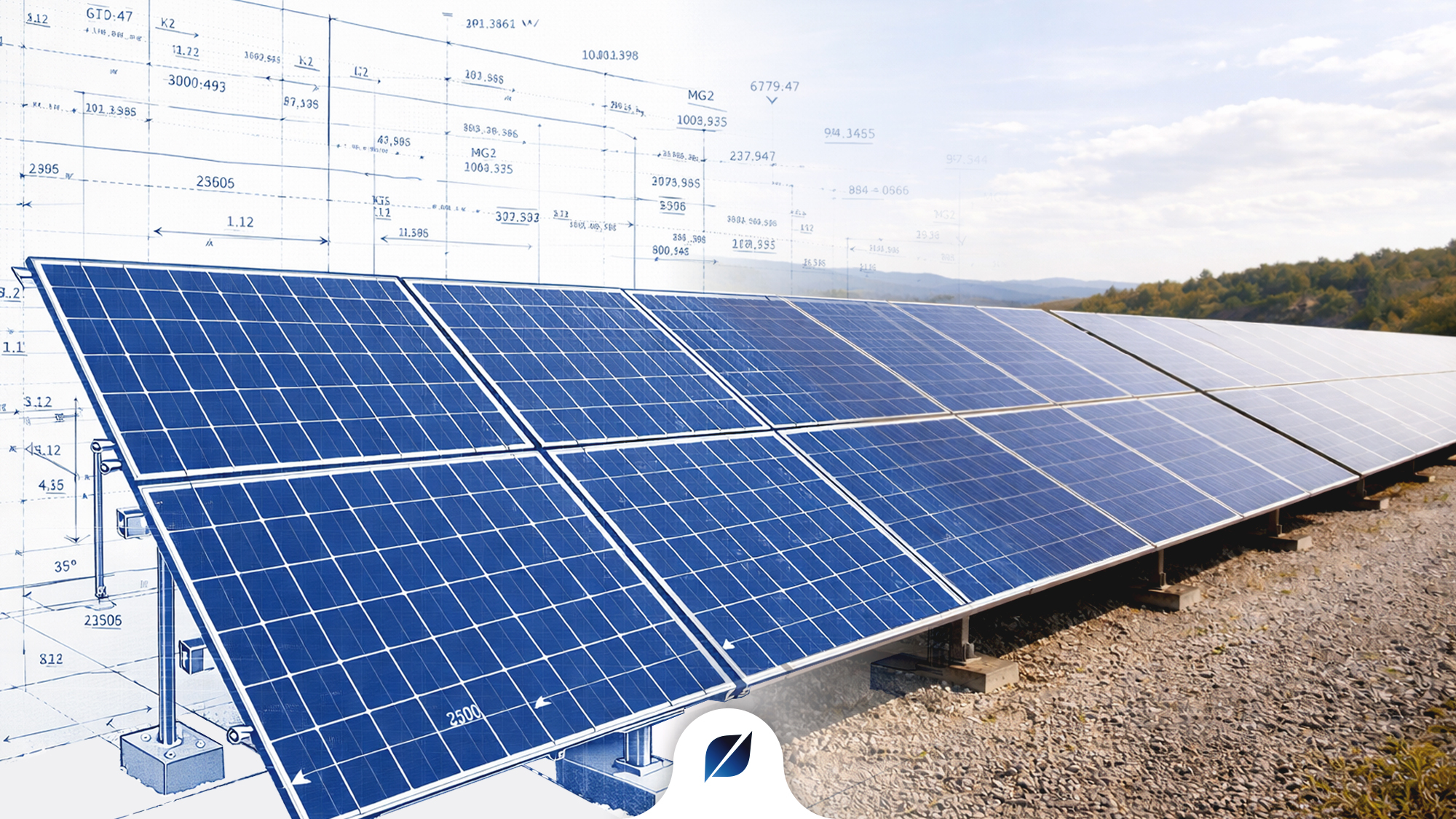
Energy and decarbonization: several manufacturers are moving beyond their initial targets. InterAbrasiv now covers 130% of its electricity needs with solar energy. Karbosan, following the commissioning of its rooftop solar power plant in July 2025, generated approximately 1.6 million kWh of renewable electricity within around six months, preventing more than 1,600 tonnes of CO₂ emissions. Tyrolit has also optimized its infrastructure reducing CO₂ emissions by 1,100 tonnes per year.
Circularity and new materials: innovation is progressing on the shop floor. Norton Abrasives (Saint-Gobain) now incorporates up to 25% recycled grain and 12% recycled steel in its newest range of cutting & grinding discs. Mirka’s ‘Dust to Value’ initiative aims to turn wood dust into bio-based glue that could enable more sustainable, low-carbon abrasive products in the future.
Biodiversity and environment: the transition also extends beyond operations. In 2025, Samedia continues to maintain on-site beehives to support local biodiversity.
These initiatives show that the transition is increasingly driven by shared momentum with projects that are scalable, measurable and directly connected to industrial realities.
Looking ahead to 2026:
Time to scale up
Building on a year of progress and lessons learned, 2026 will focus on consolidation and acceleration. The roadmap is clear: expand the program to additional sites, further develop the Scope 3 workstream, and highlight member initiatives that can serve as practical references for the sector.
Thank you all for your continued commitment. Enjoy the holiday season, and let’s step into 2026 with renewed momentum to scale impact and keep the sustainable transition firmly grounded in industrial realities.